A Natural Gas Generator is really an essential piece of equipment in today’s energy world. You’ll find many industries depend on these units to keep things running smoothly. They run on natural gas, which is actually a cleaner fuel option compared to diesel or coal—big plus, right? Plus, they’re pretty efficient, and that means they help cut down on those pesky greenhouse gases.
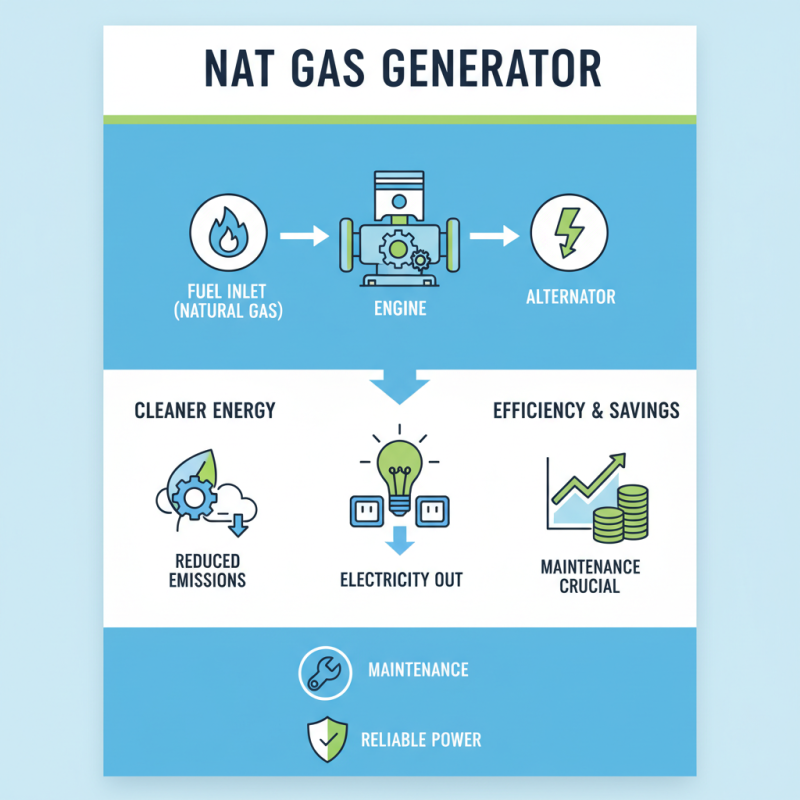
If you want to understand how these generators work, it helps to know a bit about their main parts. Usually, they have an engine, a fuel system, and an alternator. When natural gas burns inside the engine, it powers everything up and generates electricity. At first glance, it sounds simple, but there are a few technical subtleties under the hood that aren’t immediately obvious.
Of course, it’s not all smooth sailing. Regular maintenance is super important if you want your generator to run at its best. A lot of people tend to overlook this, which can lead to unexpected issues when you least expect them. A well-maintained natural gas generator can save your company a good chunk of money, but if you ignore the upkeep, those savings could quickly disappear. It’s a smart move for companies to keep an eye on their systems regularly and chat with experts when in doubt—better safe than sorry!
What is a Natural Gas Generator?
A natural gas generator is a device that converts natural gas into electricity. It operates using an internal combustion engine fueled by natural gas. When the gas ignites, it causes the engine's pistons to move. This motion turns the generator's rotor, producing electrical energy.
Natural gas generators are popular for their efficiency and lower emissions compared to diesel or gasoline engines. They are often used in residential and commercial settings. However, they depend on a steady gas supply. If the supply is interrupted, the generator can't function. This reliance on infrastructure can be a drawback.
In addition, some may find these generators less powerful than their diesel counterparts. This can impact performance during high-demand situations. It's essential to assess the power needs carefully before making a purchase. Understanding the nuances of a natural gas generator can lead to better choices and more reliable energy solutions.
Components of a Natural Gas Generator
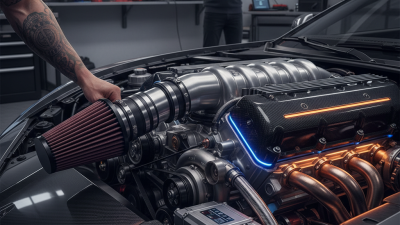
Natural gas generators are essential in providing efficient energy solutions. They consist of several critical components, each playing a vital role. The main parts include the engine, alternator, control panel, and fuel system. These elements work together seamlessly to convert natural gas into electrical energy.
The engine is the heart of the generator. It's designed to burn natural gas efficiently, often achieving an efficiency rate of about 50-60%. This is crucial since natural gas has a lower carbon footprint compared to other fossil fuels. The alternator converts mechanical energy from the engine into electrical energy. Reports indicate that generators can produce anywhere from 10 kW to 2000 kW, depending on their size and design.
The control panel is the brain of the operation. It monitors performance and safety, making adjustments as necessary. Fuel systems maintain the supply of natural gas, ensuring reliable operation. Many generators also include features for remote monitoring. This allows for real-time tracking of performance metrics. The technology is evolving, but challenges remain, particularly in maintenance practices. Regular checks are essential for optimal performance and longevity.
Natural Gas Generator Efficiency Comparison
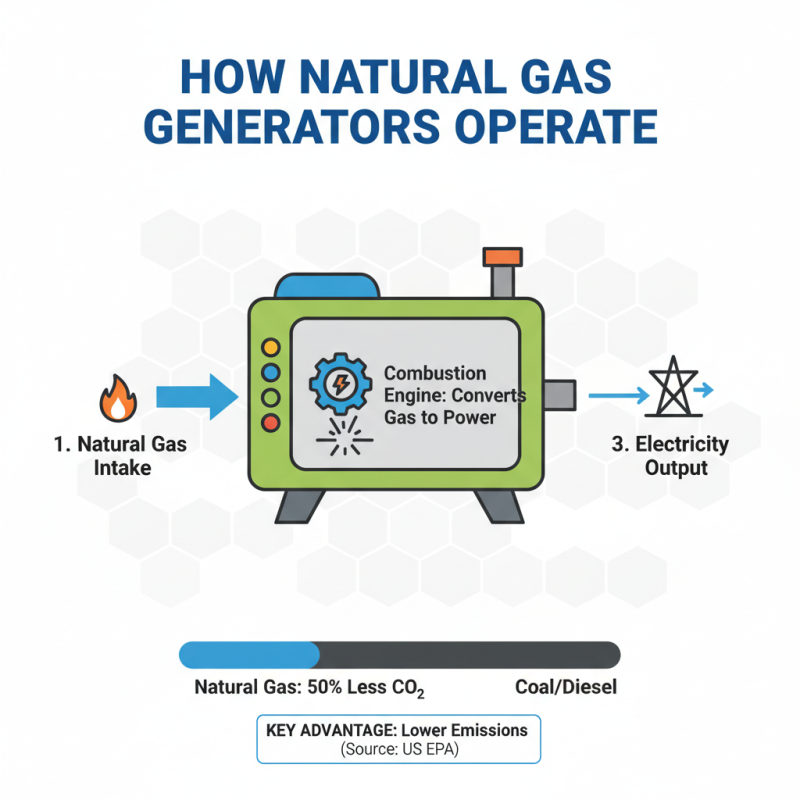
How Natural Gas Generators Operate
Natural gas generators convert natural gas into electricity. They utilize a combustion engine to produce power efficiently. The process begins with the intake of natural gas, which fuels the combustion process in the engine. A significant advantage of these generators is their relatively low emissions compared to diesel generators. According to the U.S. Environmental Protection Agency, natural gas emits about 50% less CO2 than coal.
This technology is crucial in many industrial sectors. A report from the International Energy Agency indicates that natural gas generators account for over 25% of electricity generation in some regions. This shift toward cleaner energy sources highlights the reliability of Gas And Natural Gas Generators in providing consistent power. However, not all installations are flawless. Issues with maintenance and gas supply fluctuations can lead to downtime.
Operators must be cautious about over-reliance on natural gas sources. Market volatility can impact fuel availability and cost. Regular audits and assessments of Gas And Natural Gas Generator performance are essential to avoid potential operational disruptions. Balancing cost efficiency and technological improvements is key for sustaining energy output.
Advantages of Using Natural Gas Generators
Natural gas generators offer several advantages that make them appealing for various applications. Firstly, they are known for their efficiency. They convert natural gas into electricity with minimal waste. This efficiency not only reduces emissions but also lowers operating costs. Users often find that their energy bills decrease significantly.
Additionally, these generators produce fewer pollutants compared to diesel or gasoline counterparts. This is crucial for maintaining air quality. Many communities are shifting towards cleaner energy sources. Natural gas generators help meet these environmental standards without sacrificing power output.
Reliability is another significant benefit. These systems can provide consistent energy in remote locations or during outages. Homeowners and businesses alike appreciate the peace of mind that comes from knowing they have a dependable power source. However, potential drawbacks exist. Installation costs can be high, and the availability of natural gas must be considered. More awareness is needed about these aspects before making a decision.
Applications of Natural Gas Generators
Natural gas generators are becoming increasingly vital in various applications today. They are commonly used for backup power in residential and commercial settings. When the grid goes down, these generators step in to provide reliable energy. This instant response can be crucial during storms or unexpected outages.
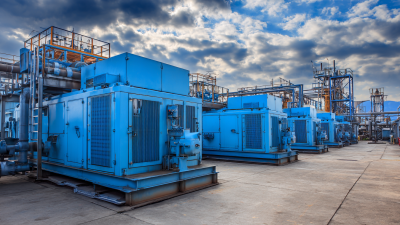
In industrial settings, natural gas generators serve as a primary power source. They are often preferred for their efficiency and lower emissions compared to diesel generators. Manufacturing plants and data centers utilize these systems to ensure continuous operation. This minimizes potential downtime and improves overall productivity. However, choosing the right sized system can be challenging. Proper assessment is needed to match energy demands to generator capacity.
Natural Gas And Gas Generators can also play a role in remote locations. They provide necessary electricity for construction sites or telecommunications towers. This application helps maintain operations where traditional power sources may not be available. While the benefits are clear, owners must consider maintenance needs and fuel supply reliability. Understanding these factors can help ensure long-term success and energy independence.
Maintenance and Safety Considerations
A natural gas generator is an essential tool for various applications. Regular maintenance is crucial for ensuring its efficiency and safety. Basic upkeep involves checking connections, replacing filters, and monitoring fuel levels. Neglecting these tasks can lead to serious issues, wasting both time and resources.
Tips: Schedule maintenance checks every six months. Use the right tools to make the job easier. Keeping a log of all maintenance activities helps track performance.
Safety is paramount when operating a natural gas generator. Proper ventilation is necessary to avoid carbon monoxide buildup. Always check for gas leaks before starting the generator. Wear protective gear while performing maintenance tasks. Small oversights, like ignoring unusual noises, can cause accidents.
Tips: Invest in a carbon monoxide detector. Stay informed about the best practices for safe operation. Every operator should know how to respond in emergencies.
Environmental Impact of Natural Gas Generators
Natural gas generators have become popular for many applications. However, their environmental impact is a crucial concern. While they produce fewer greenhouse gas emissions than coal or oil, they are not without problems. For example, according to a 2021 report by the International Energy Agency, natural gas combustion still releases carbon dioxide (CO2), albeit less than other fossil fuels.
Additionally, methane leaks during extraction and transportation can negate some benefits. The Environmental Protection Agency notes that methane is a potent greenhouse gas, contributing significantly to climate change. Addressing these emissions is essential. Regular maintenance and prompt actions to "Repair Gas Generator" systems can minimize gas leaks and enhance efficiency.
The combustion of natural gas can produce nitrogen oxides (NOx) and particulate matter, which can harm air quality. These pollutants can lead to respiratory problems in nearby communities. It's important to critically assess the location and operation of natural gas generators. Striking a balance between their benefits and the potential negative impacts is a challenge that requires ongoing attention and innovation in technology and practices.
Maximizing Efficiency and Performance in Natural Gas Systems: Insights from the TISS9298 for MWM TCG 2032 Report
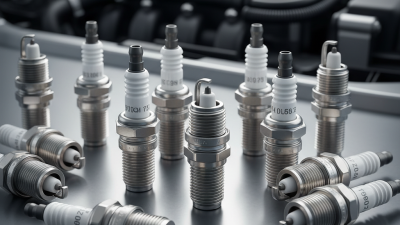
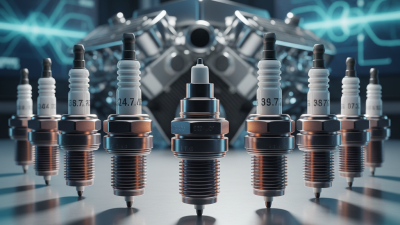
The focus on maximizing efficiency and performance in natural gas systems is crucial, particularly in the context of high-demand applications such as power generation. The TISS9298 Prechamber Spark Plug has emerged as a key component for enhancing the capabilities of specific natural gas engine models. Particularly for engines like the TCG 2032, the TISS9298 spark plug can significantly improve combustion efficiency, leading to greater overall performance. Its design optimally caters to the specific needs of modern gas engines, ensuring reliable ignitions and effectively managing combustion pressures.
By incorporating reliable components like the TISS9298 prechamber spark plug, operators can not only achieve enhanced engine performance but also extend the operational life of their equipment. The compatibility of the TISS9298 with various original equipment part numbers suggests its versatility and ease of integration into existing natural gas systems. As industries strive for sustainable operations, investing in advanced ignition technology is a pivotal step towards achieving the desired efficiency levels. This strategic approach ensures that natural gas systems operate at their best, paving the way for optimal energy output with reduced emissions.
FAQS
: They are efficient, converting gas into electricity with minimal waste. This reduces emissions and lowers operating costs.
They produce fewer pollutants than diesel or gasoline generators, improving air quality and helping communities meet environmental standards.
They provide consistent energy during outages or in remote areas, ensuring a dependable power source for homes and businesses.
They are used for backup power in homes or businesses, and as primary power sources in industrial settings like manufacturing.
Choosing the right size can be complicated. Energy demands must match the generator's capacity to function effectively.
Installation costs can be high, and users need to consider the availability of natural gas in their area.
Their efficiency and lower emissions minimize downtime, enhancing productivity in facilities like manufacturing plants and data centers.
Maintenance needs and reliability of fuel supply are crucial for ensuring continued operation and energy independence.
Yes, they provide necessary electricity for construction sites and telecommunications towers, essential where traditional power sources are unavailable.
Increased research and awareness of factors like maintenance and fuel supply can lead to more informed decisions.
Conclusion
A Nat Gas Generator is a type of power generation system that utilizes natural gas as its fuel source. These generators consist of several key components, including an engine, alternator, and control panel, which work together to convert natural gas into electrical energy. The operation of a Nat Gas Generator involves burning the natural gas to power the engine, which turns the alternator, generating electricity for various applications.
One of the significant advantages of using Nat Gas Generators is their efficiency and lower emissions compared to diesel or coal generators, making them more environmentally friendly. They are commonly used in residential, commercial, and industrial settings to provide backup power or support peak electricity demands. However, proper maintenance and safety precautions are essential to ensure their reliable operation, while their environmental impact remains minimal when compared to other fossil fuel-based generators.